I grew up in a dictionary-and-thesaurus household, the kind where asking what a word meant earned you a walk to the bookshelf. What I came away with, every time, was less a definition than a habit of mind: what does this word mean here, in this sentence, for the thing I'm actually trying to say? My parents weren't teaching me vocabulary so much as they were teaching me that a word doesn't mean anything until you've done the work of asking what it means in this particular case.
Our industry has a handful of words it reaches for again and again. Elevated, timeless, bold. They’re often spoken in client meetings with a certain finality, as if saying the word were the same as deciding.
The words are an invitation, not an answer
There's nothing wrong with reaching for any of them; they're good instincts, honestly, and elevated or bold are both real design directions.
But a word like that only earns its keep once someone sits with it long enough to ask what it actually means for this brand, this consumer, this shelf.
Left unexamined, it stays a feeling everyone in the room happens to like, with no one quite agreeing on what it looks like once it's built. This is usually where our job actually begins: catching the moment one of these words shows up in a brief and treating it as an opening rather than a settled point.
Elevated for who, exactly?
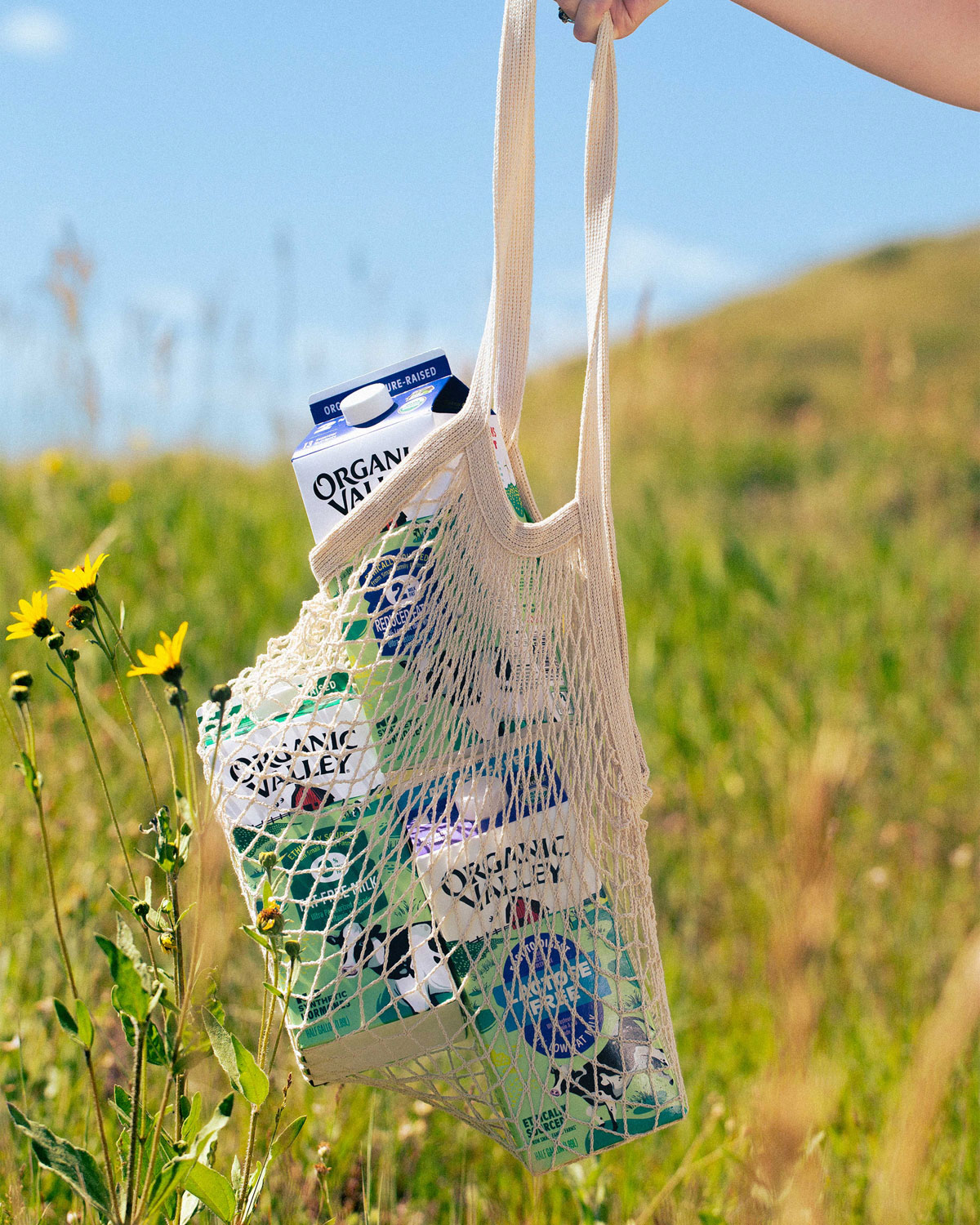
Take elevated, probably the word we hear most. A brief will say the brand wants to feel more elevated, and that's a fine place to start a conversation, though it isn't a direction on its own. Elevated from what, to what, for whom? A minimalist glass jar with an embossed logo might read as elevated to a design team fluent in the language of Behance. To a shopper scanning a crowded shelf, that same jar might read as expensive, or unfamiliar, or simply quiet. Elevated shifts depending on the category it sits in, the shelf it competes on, the person standing in front of it. Our job is to ask what it's relative to, and whether the answer actually serves the person buying the product or only serves how the brand feels about itself in the room.
What's underneath "timeless"
Timeless is a particularly interesting one, because it's often less a design philosophy than a measure of how much risk a client is willing to carry. No one wants to be the person who greenlit the choice that looks dated in eighteen months. So, timeless becomes the word that lets everyone agree without anyone taking on the risk, which is usually right when the harder, more useful questions quietly get skipped. The brands that genuinely earn the word timeless made specific, sometimes bold choices at a specific point in time and had the conviction to stay with them. When a client reaches for timeless, it's worth asking what they're actually trying to protect against, and whether the safest-feeling choice is the one that will actually hold up, or simply the one that's easiest to agree on today.
What bold is actually asking of you
Bold is the word that sounds the most like a decision and is often the least examined one. It's easy to say a brand should feel bold and picture a bright color palette or a loud, graphic mark, without asking what boldness is meant to do once it's on shelf. Bold reads differently depending on who's looking at it: confident and exciting to one part of an audience, alienating to another, a signal that the brand isn't for them. It's less a visual register than a stance, a willingness to be polarizing in service of being memorable to the people who matter most. So the real question bold raises has less to do with volume and more to do with who the brand is willing to risk losing in order to be unmistakable to the people it wants to keep.
The bigger conversation
These words were never really the problem, so much as shorthand for something the brand hasn't fully worked out yet, and helping work that out is some of the most satisfying part of what
we do. What is elevated meant to do for this particular audience's sense of the brand? What might bold cost with the part of the audience that finds boldness alienating rather than exciting? What is timeless actually protecting the brand from, and is that the right thing to be protecting against?
There's exciting work sitting just beneath the word, and it's
on us to keep leading clients back to it.
%20(2).png)