I’m about to say something we’ve all thought, but maybe don’t want to admit to ourselves yet in the world of brand: as a society, we’re fast approaching digital fatigue.
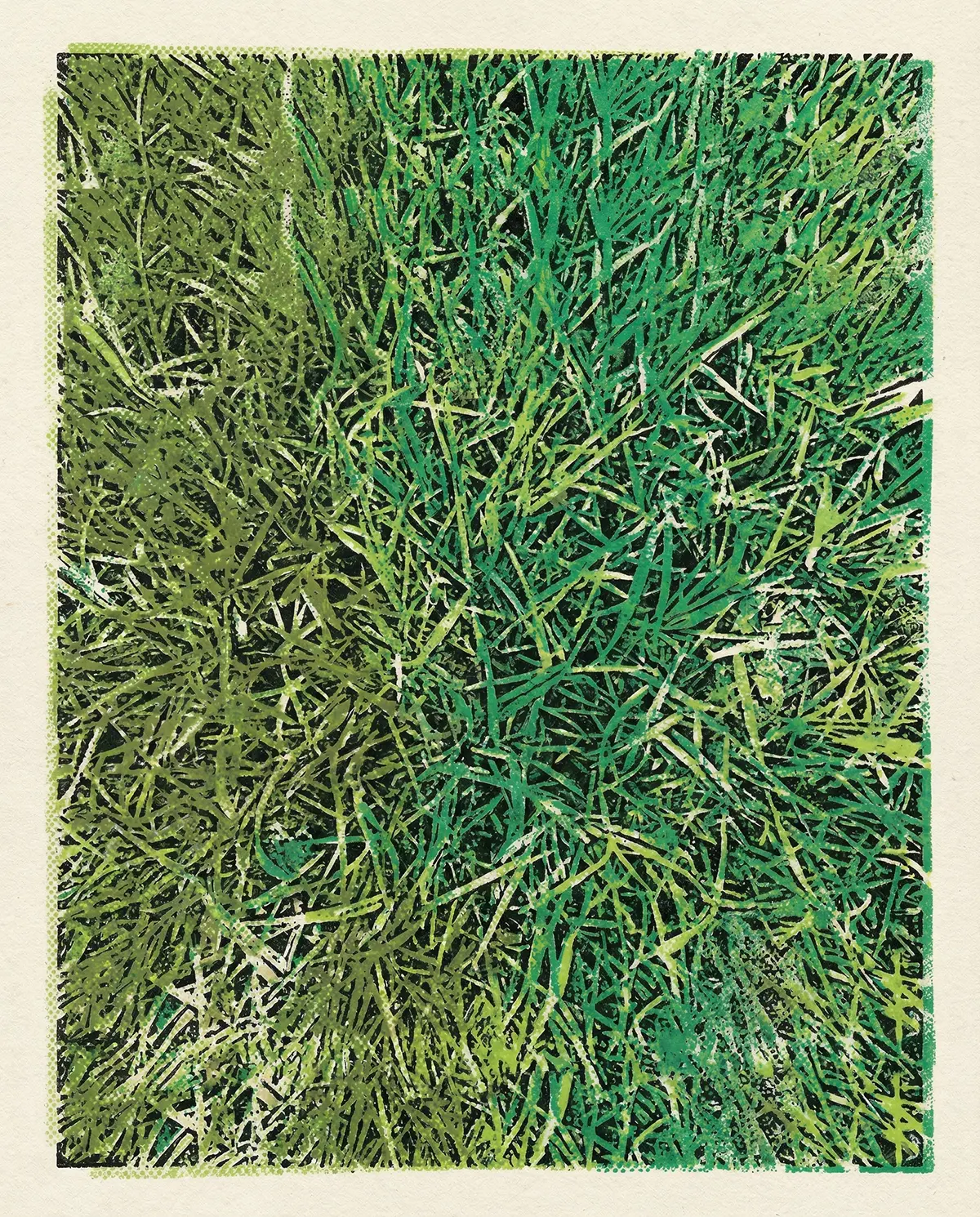
Think of how common it is now to celebrate deleting Instagram or TikTok for the month, or how we admire those who quit social media cold turkey. Flip phones are back. Singles are deleting their dating apps and joining run clubs. We’re baking bread and hosting backyard hangouts and getting our steps in. We are, as Gen Z puts it, touching grass. Covid may have triggered it, but we’re in the middle of a cultural shift that’s become ongoing: the realization that we're overstimulated and disconnected from ourselves.
Always On
Think of this morning. Last night. Thirty minutes ago. How many push notifications have lit up your phone? How long did it take for an ad or sponsored post to flick across your screen? Did your last doomscroll or Netflix binge make you feel better and more alive, and not like you just spaced out for God-knows-how-long? When was the last time you met a client in real life, and not just over Zoom?
Whether we like to admit it or not, the digital world has become full of feverish noise. Full of demand and false urgency and an absolute glut of information. The aggressive, even reckless, adoption of AI has only accelerated the cognitive dissonance we’ve all experienced digitally at breakneck speeds, with little improvement in accuracy.
I’m not here to pick a bone with modern life or suggest we all become Luddites. I, too, am a sucker for funny, stupid reels. I love a good online rabbit hole. Working from home a few days a week and letting Gemini take halfway-decent notes for me is pretty sweet.
The digital world offers us unprecedented ways to create, connect, entertain, share, learn, and inspire. And it’s not going away.
I’m just here to remind us that much of what we call culture and connection today is actually the result of mathematical algorithms and extractive growth models handed to us by the Gods of Tech: models that are being exploited to death in order to sell more. More products. More data. More attention. More productivity. We, human beings, have become a commodity. And I think we’re tired. Like really, fucking, tired.
Analog Isn’t In: It’s What We’re Wired For
“Most of the interesting things in the human experience need friction, and they benefit from a slower approach: cooking, creativity, thoughtful work, meaningful conversations, relationships ... Digital optimization just leads to a superficial way of being. The cult of no friction—it obliterates nuance, texture, depth, solidity, and all those things we need as human beings.” –
Carl HonoréWe recognize our need for real, visceral, engaging, and physical experience instinctively because it’s what makes us human. Analog or going offline isn’t a trend. It’s a search for renewed meaning and depth in a world that’s spiraling toward superficiality and overwhelming amounts of information (and
succumbing to AI slop). It’s an attempt to stop sacrificing our emotional and mental, even spiritual, wellbeing at the altar of efficiency and convenience.
Building for Connection
So, what does this mean for the brand-side of things? Digital is essential. And efficient. AI is expanding that productivity to mind-boggling new heights. You can quantify pretty much anything these days. But like any good thing, too much of it comes at a cost. I believe that cost is losing sight of your customer as a living, breathing, imperfect, conflicted, unpredictable human being.
So ask yourself: when was the last time you and your brand “touched grass”? Not in a trendy sort of way, but in a way that inspired deeper connection with your customers.
Have you popped into a store recently and watched people shop the shelf your products sit on? Have you touched and felt your packaging and noticed your tactile reaction to it? Does your digital presence serve to create human connection, not just sell? What is your brand made of when it’s not showing up in pixels? What motivates your company beyond profit? Do you read the comments and reviews your customers leave you? Do you talk to real customers, ever?
As a
strategist, I believe that the more often we can come up for air, and remember that brands are built for real people, the more powerful our work becomes. Insights that shape the world are built on tangible, everyday human tension. Brands who know this, who speak to some elemental part of ourselves, are the same brands that endure, regardless of the latest trends in efficiency and the ever-growing speed of marketing cycles. Some even become a place of refuge, a counterpoint to the noise everyone else is busy making. They know when to touch grass.
%20(2).png)