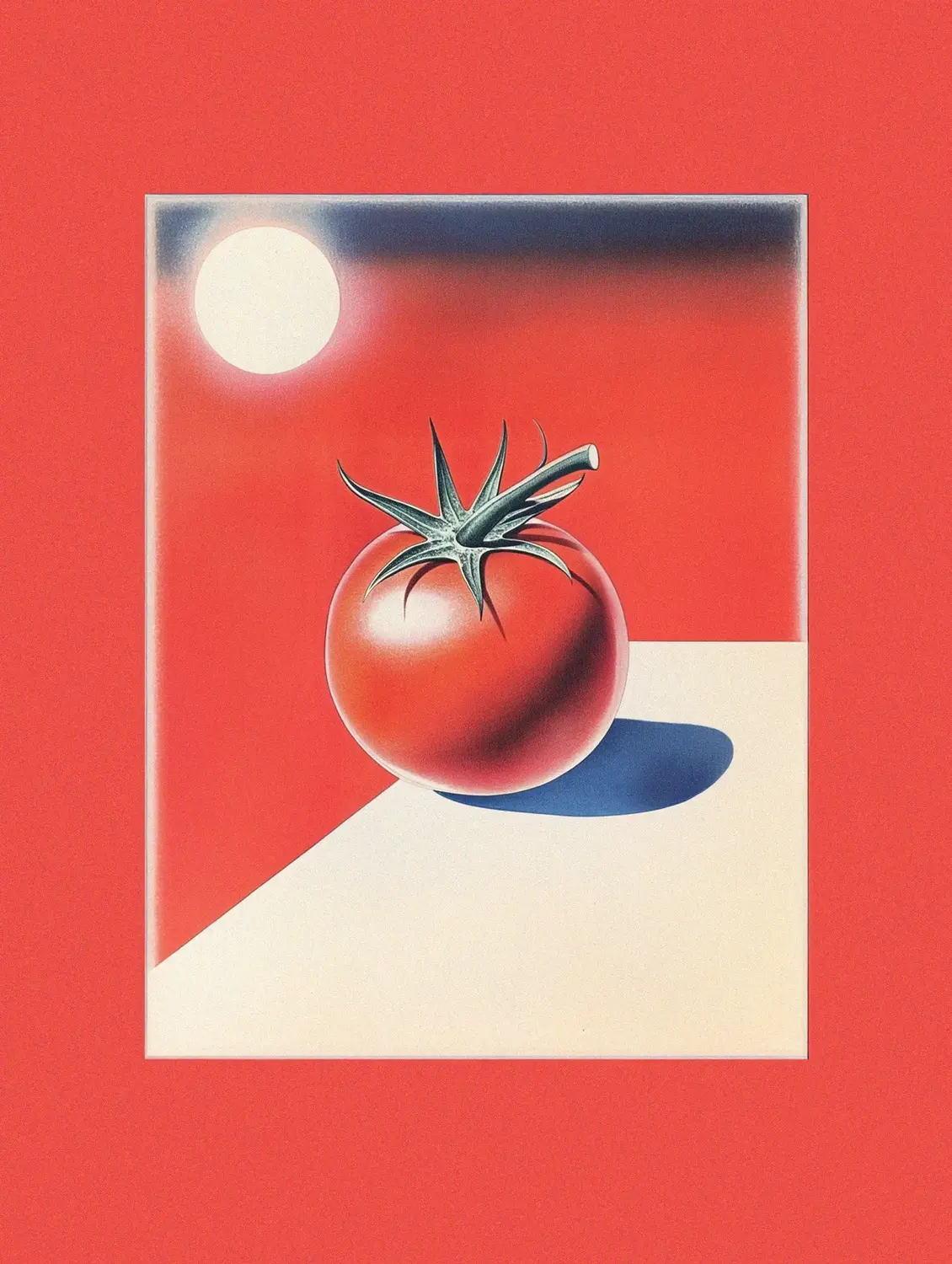
After a couple of years of panic, the dust has settled and a clearer picture of AI has emerged. When image models started producing passable versions of anything imaginable, graphic artists feared a future of cleaning up AI images for clients who value their skill set less and less. Some of that will happen. But humans still hold the creative advantage. AI isn’t creative; it’s derivative. It borrows and rehashes, drawing on the most common examples on the internet.
That makes it great at generic imagery, and a natural fit for stock photos and illustrations. Adobe Stock is already loaded with AI-generated images. Most are mediocre, but they work as placeholders: good enough to sell a concept and give a professional photographer a starting point. It’s not a replacement. It’s a faster route to what we’ve always been after: quality, original creative work.
Now, I am not advocating for AI to replace the entire Stock photography industry, those are real people and lives that would be negatively affected. I believe there is still a place for stock photography (i.e. journalism) where real places and people need to be faithfully represented. But, by nature, stock images need to be generic in order to work for a large audience. AI provides the opportunity for more specific images that are “good enough” for concepting work.
In my own work, AI has really earned its spot in mockups. Five years ago, I’d burn hours building renderings or hunting for stock images to butcher and stitch together in Photoshop. That was time I could have spent further developing the concept, or on sleep. Now I can create renderings and drop them into a convincing setting in a fraction of the time, with better results.
I am providing the script and actors, AI is supplying the stage. It’s a tool to master, not fear.
AI is making us better, faster, and more honest. We still have to prove why we’re necessary, and generic, easily replicated work doesn’t do that. If AI can replace what you make, don’t blame the Silicon Valley super nerds. Look at your approach. Are you churning out C-minus work because it’s quick and easy? Then yes, be scared. But if you’re putting real thought and care into work that sets your client apart, then in this designer’s opinion, you have nothing to fear. Use AI the way it’s meant to be used, and your work and life will improve.
%20(2).png)