There was once a time when human identity hinged on the work we produced, the community we surrounded ourselves with, and the hobbies we enjoyed.
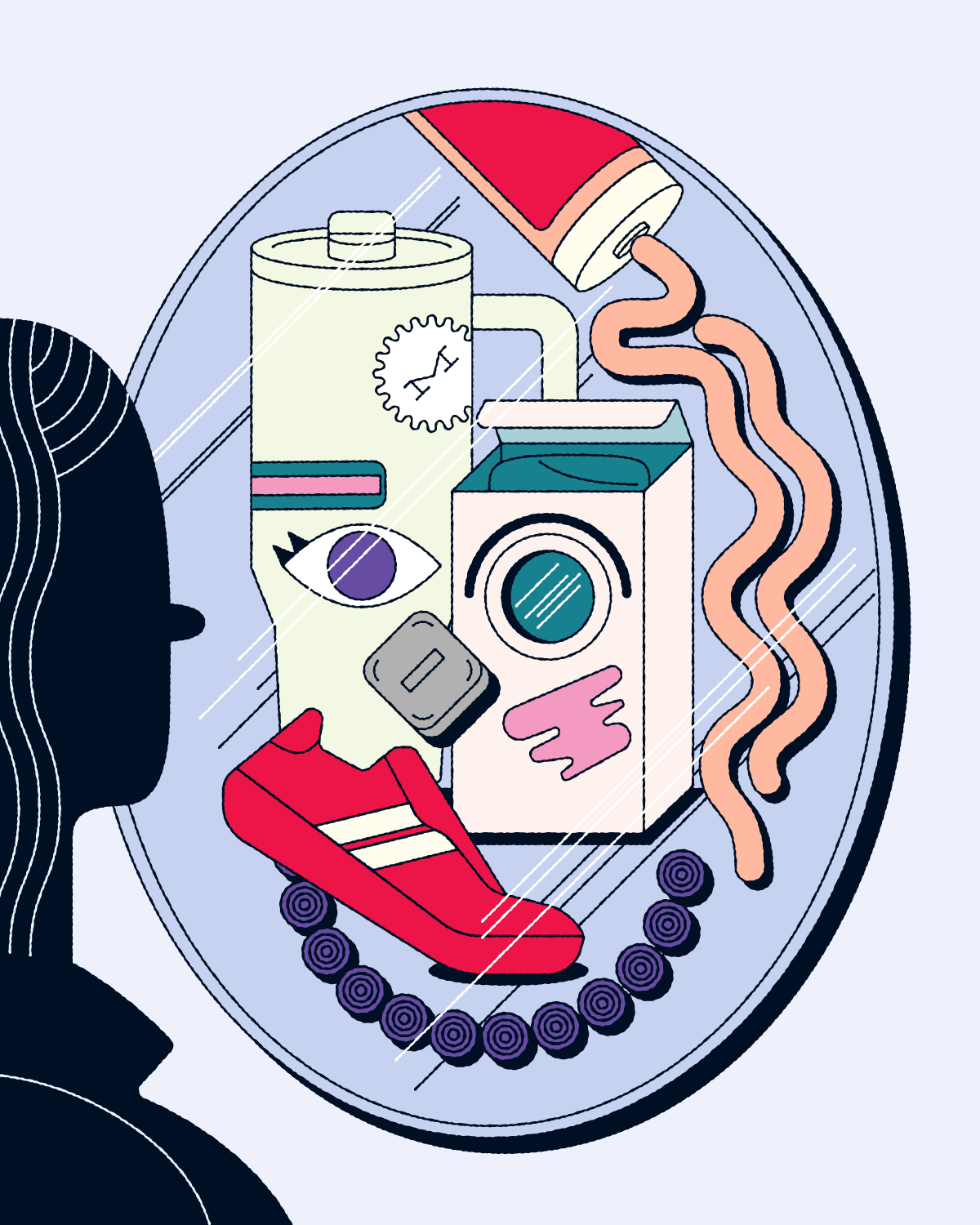
Today, identity looks a little different. Now, it's expressed through the water bottles on our desks and the sneakers on our feet.
The brands we consume tell a story not just about what we do, but who we are. We've entered the post-function world where utility still matters, but meaning matters more.
We've entered the post-function world where utility still matters, but meaning matters more.
A Simpler Time
Before the 20th century, consumption lived at the base of Maslow's pyramid. Physiological needs were covered, but it wasn't necessary or even desired to have all of the "bells and whistles."
As we moved into the early 20th century, branding began to shape the marketplace. Early brands spoke the language of logic and function: We're stronger. We're better. We're faster. Reliability won loyalty because efficiency was the highest value.
But, as technology and culture evolved into the 21st century, consumption itself stratified. For those with the economic freedom to choose, the climb up Maslow's pyramid continued, from necessity to self-expression. These consumers moved from buyers to curators, and with more choices than ever, brands must cut through the noise with deeper purpose: meaning that fits into the story we're telling about ourselves.
Function hasn't disappeared. It's just become the baseline.
A Highlight Reel
Digital culture has turned purchase into performance. "Instagram vs. real life" might seem like a quippy dismissal of the performative nature of our social feeds, but it is more real than ever. Purchases we make to add to our personal lives have now become an opportunity to add to our content buckets. From monthly favorites videos to the beloved seasonal clothing haul, the brands we share become a mirror of our tastes.
The creator economy, now valued at $250 billion, has made this explicit. Influencers don't just recommend products. They become brands, turning personal identity into a vehicle for loyalty and consumption. This shift has fundamentally changed how brands must show up: not as vendors, but as co-authors of identity.
A New Consumer Contract
With the fundamental shift in relationship between brand and buyer, we are no longer asking: Does this ______ work?
Every purchase is now a declaration of values, tastes, aspirations. The old contract was transactional: you give us money, we give you a product that solves a problem. The new contract is expressive: you give us money, we give you a tool for self-authorship.
This shift has made consumers more discerning and more demanding. They can smell inauthenticity from a mile away. A brand that simply says it stands for something while acting like everyone else gets dismissed as hollow. Performative purpose doesn't cut it.
But brands that truly recognize they're not just selling products but offering cultural building blocks earn something more valuable than a transaction. They earn allegiance.
A Guide for Brand Builders
Modern branding is personal identity design. Every touchpoint, from voice to visuals to behavior, signals something larger than product.
To build resonance in the identity economy, brands must:
- Design for reflection, not aspiration. Create a world your audience recognizes themselves.
- Speak in symbols. Every detail should carry cultural meaning and feel legible at a glance.
- Facilitate belonging. Let people use your brand as a passport to community.
Because in this era, the product isn’t the hero ... the person who chooses it is.
%20(2).png)