Five seconds. That's all it takes for someone to decide if they trust your brand. I've audited enough of them to know. I can usually tell before I've even started scrolling.
As a brand, you probably can't see it yourself. That's not a dig. It's brand blindness, and it happens to everyone who's deep in the work. When you're living inside your brand every day, the cracks are nearly impossible to spot from the inside.
I know because I've been on the brand side of the table. I spent more time than I'd like to admit in meetings asking why consumers "just weren't getting it," even when we had a great product and a story worth telling. We couldn't figure out what we were missing.
Here's what I eventually learned: your brand is the story your customer tells when you're not in the room. You don't get a seat at that table.
In an era where people can smell inauthenticity from a mile away, where a single Reddit thread or TikTok comment section can dismantle years of brand equity overnight, perception isn't just part of the equation. It is the equation.
Sure, "fake it till you make it" works in a lot of places. Trust isn't one of them.
I'm
Leslie Salonen, Brand Manager at
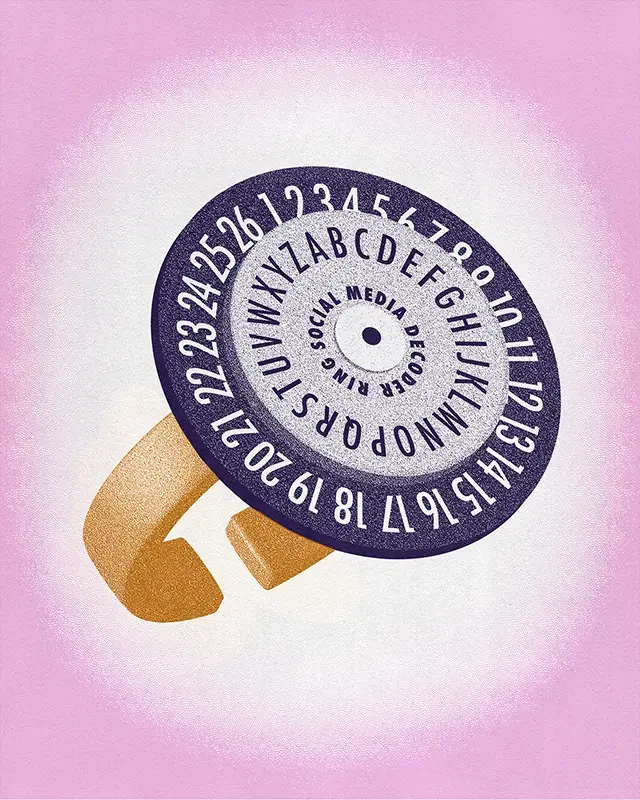
Moxie Sozo. I'm here to help you decode what's actually building trust, and what's quietly breaking it, before your customers call it out (or worse, leave it in your reviews).
Let’s pull this apart.
Your Instagram and website should finish each other's sentences
They should feel like twins, and yes, I'm a twin, so I take this analogy very personally. When they don't match, people notice. It creates a subtle disconnect that makes people quietly question whether they can rely on you ... or not. Cohesion across every touchpoint is your brand saying, "we've got it together." When the algorithm is already working against you, that quiet confidence goes a long way.
The small stuff is actually the big stuff
Minor typos. Stock photos. Incorrectly using hashtags. Fonts that don't quite match. I know it sounds hypercritical, but these things are damaging your credibility. They signal carelessness, even when that's the last thing you intend. If you're only showing up on social twice a month, the algorithm isn't the problem; you are. It’s giving, "we forgot we had this." It tells people that your brand isn't a priority. And if it's not a priority to you, why would it be one to them?
Be a person, not a press release
Polished content alone doesn't cut it anymore — and honestly, good. Those days are long gone. People are craving something real. The behind-the-scenes moments, the messy middle, the faces behind the work ... that's the content that actually stops people mid-scroll. Some of my favorite brands feel like genuine friends, even though we've never met IRL, purely because I feel like I know the people behind them. (
I’m looking at you, Culture Pop.) That parasocial connection doesn't happen by accident. Give your audience something to actually hold onto beyond the feed.
Please, please respond to your DMs
When I need to contact a brand, I go to social first, every single time. Call it the brand manager in me, but it’s fast, direct, and incredibly revealing. The response tells me everything: how they communicate, how they prioritize people, and whether there’s an actual human behind the logo. A thoughtful reply can build more brand trust than any campaign. Waiting 4-6 business days for a response via email, not interested; getting a response within 12-24 hrs from social … yes, please! Leaving someone on read is a choice, and your customers notice. Response time is one of the most underrated trust signals out there, and I will die on this hill. And, not a bot. Never a bot.
Clarity is a superpower
If someone stumbled across your brand on social or visited your website right now for the very first time, could they tell what you do within the first few seconds? If you had to think about that for too long, you already have your answer. A lot of brands confuse looking aesthetic with being clear, and those are not the same thing. Clarity isn't boring. It's confidence.
Own the mess. Seriously.
You don't have to be perfect. Nobody is, and nobody expects you to be. The brands I'm most loyal to are the ones that own their mistakes, share the hard moments, and handle the messy stuff with transparency. There's something really powerful about a brand that can say "we got that wrong, here's what we're doing about it." (
Burger King’s CEO just did both — and
handed out his phone number in the process.) It doesn't make you look out of touch. It makes you look human. Pull back the curtain a little. Be real, be raw, be relatable. People don't just respect it… they remember it.
A good example of this is
OUAI's “Mean Reviews” campaign. Customers were not holding back on the original dry shampoo formula. People said it made their hair feel greasy, was hard to work with, and even smelled like “grandma’s perfume.” But instead of quietly reformulating it and pretending nothing happened, founder Jen Atkin and her team leaned all the way in. They literally sat down on camera and read the harshest 1-star reviews out loud.
They didn’t get defensive or try to spin the narrative with polished corporate messaging. They owned it, laughed at themselves a little, admitted the product missed the mark, and showed people they were actually listening. Then they introduced a reformulated version that customers ended up loving.
That kind of honesty sticks with people. Audiences are incredibly good at spotting performative marketing, and they’re even better at recognizing when a brand is being genuinely human. Sometimes the brands that earn the most trust aren’t the ones that never mess up. They’re the ones willing to admit when they did.
Trust isn't built in one post. It's built or broken in every single one.
So what's yours saying right now?
%20(2).png)